
Social Media Marketing for Dentists

Facebook and Instagram campaigns that put your practice in front of local patients before they ever search for a dentist.

Most of your future patients aren’t looking for you yet. They’re scrolling Instagram on their lunch break. They’re the person who’s been putting off a check up for two years, or the parent who winces slightly every time their kid smiles in a photo. None of them have typed “Invisalign” into Google. Not today, anyway.

That’s what social media is for. Google Ads catches people who are already searching. Social media reaches everyone else, while they’re still a few miles from your chair and haven’t decided who they’ll call.

Here’s how we’d approach it for your practice.

What This Actually Means for a Dental Practice

Two things, really, and they need each other to work.

Your organic profile is what people check before they book. If it’s active, warm, and looks like a real practice, it builds trust fast. If it hasn’t posted since 2023, that’s a red flag, same as walking into a waiting room that’s clearly been neglected.

Paid ads on Meta are how you get seen by people who don’t already follow you. Set them up properly and you can put your Invisalign offer in front of thousands of local people for less than a lot of practices spend on a single newspaper ad. Every click gets tracked, so you know what it’s actually doing.

Run ads without a decent profile behind them and you’re sending curious strangers to a dead page. Post without ads and you’re only talking to people who already know you. You need both.

Why It Works Differently to Search (and Why That's Useful)

Google Ads and SEO catch demand. Someone has a problem right now and they’re looking for the fix, which is exactly why every practice in the area is bidding on the same handful of keywords.

Social media creates demand. Nobody was thinking about their teeth thirty seconds ago. Then they see your before and after, or your £99 new patient offer, and now they are. You get to them first, before they’ve compared three competitors on Google, and it costs a lot less per person reached.

This matters most for treatments people want rather than need. Invisalign, bonding, whitening, facial aesthetics. Nobody scrolls Instagram and searches “emergency dentist”, but plenty of cosmetic consultations start with exactly that kind of scroll.

If your budget can stretch to it, run search and social together. Google Ads for patients ready now, social for the patients you’ll be treating in six months. If it can’t stretch that far yet, we’ll tell you honestly which one to start with.

What Actually Gets Results

We’ve run enough of these campaigns for UK practices to know what works and what wastes money.
Before After Result

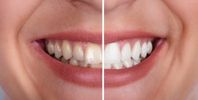
Before and after content

Nothing sells cosmetic dentistry like real results. We handle the tricky bits too: GDC guidance on advertising claims, getting proper patient consent for imagery, keeping wording inside ASA rules. You don't want to be the practice that got a complaint over a whitening photo.

Limited Target

Tight local targeting

A practice in Watford has no business paying to reach someone in Brighton. Meta lets you set a radius, an age range, and interests, and getting that tight is the difference between a campaign that fills a diary and one that just burns budget.

Best Offer

An actual offer

"Follow us for dental tips" doesn't book anyone in. "Free Invisalign consultation this month, 12 spots" does. Every ad we run points to a landing page with a form. The point is an enquiry, not a like.

Real result

Real people, not stock photos

Your team, your hygienist, your reception staff, your surgery. This kind of content quietly answers the question every nervous patient actually has: will I feel comfortable there? It usually gets your best engagement too.

Making Reel

Video and Reels

Short vertical clips are what Meta pushes hardest right now, and a 20 second video of an aligner fitting will reach far more people than the same content as a photo. You don't need a camera crew. Your phone and a few minutes a week is genuinely enough, and we'll show your team exactly what to shoot.

Retargeting Audiance

Retargeting

Ads shown specifically to people who've already visited your site or engaged with your page. Almost nobody enquires the first time they see an ad, so this catches the ones who were close but didn't quite act, and it's usually your cheapest cost per enquiry in the whole account. Most practices have never turned it on.

What It Costs

Straight numbers, same as everything else on this site.

Single location practice, running proper local campaigns: expect somewhere around £300 to £800 a month in ad spend to Meta. Chasing implants or Invisalign in a competitive city, more practices push closer to £1,000 to £2,000. Meta’s cost per view tends to be a lot cheaper than Google’s cost per click for the same treatments, because you’re reaching people earlier, before they’ve started actively comparing.

What actually moves your cost per enquiry: the strength of the offer, how good the creative is, how tight the targeting is, where the click lands. The same £500 can bring in three enquiries or thirty depending on those four things, and that’s the part we manage.

Your ad spend goes straight to Meta. Our fee is separate, no long contract attached. We’ll recommend a starting figure for your location and treatments before you agree to anything.

What We Actually Do

  • Strategy and offers. We decide which treatments to promote, who to target, and what offer to lead with, checked against what your local competitors are already running (Meta’s Ad Library shows us that directly).
  • Campaign management. Full setup and weekly optimisation of your ads, audiences, and radius targeting. We also build an exclusion list of people who click but never convert, so you stop paying for the same wasted clicks.
  • Content and posting. A month’s worth of treatment content, team posts, patient stories, and offers, written and scheduled for you. Nothing goes live without your sign off.
  • Landing pages. An ad only works if the click lands somewhere built to convert it. We build dedicated landing pages or forms, and connect them to our AI chatbot where you’re using it, so nothing sits unanswered overnight.
  • Compliance. Every ad and post checked against GDC advertising rules and ASA guidance before it goes live. Generic agencies who don’t know dentistry get practices into trouble here all the time. We only work with dentists, so this bit’s built in, not bolted on.
  • Reporting. Enquiries, cost per enquiry, and bookings, tracked and shown in your DCP Dashboard next to your other channels. So you see what social is actually doing, not just what it looks like it’s doing.

Who This Is For

Cosmetic practices pushing Invisalign, bonding, whitening or smile makeovers. Practices launching a new treatment or clinician who need local awareness fast. Anyone whose Google Ads costs keep climbing and wants a cheaper source of new enquiries. Practices with a dead social profile that’s quietly undermining an otherwise good reputation. Multi location groups needing consistent content and site by site local campaigns.

If you’re a purely NHS practice with a full list, honestly, this probably isn’t your priority. We’ll say so.

See What's Possible for Your Practice

Your next cosmetic patient is on Facebook or Instagram tonight, a few miles from your surgery. Whether they see you is the only question.

We’ll take a free look at your current profile, show you what competing practices in your area are running (Meta’s Ad Library makes this easy to see), and give you a realistic picture of what a proper campaign could do on your budget.

Questions Practices Ask Us

Done properly, it brings in patients. That means paid campaigns with a real offer, tight local targeting, and a landing page that captures the enquiry. Posting alone builds trust but rarely produces an enquiry by itself, which is why we run both and report on bookings, not follower counts.


Facebook and Instagram, both run through Meta Ads, cover most UK dental patients and give you the best local targeting. TikTok can work well if your team’s comfortable on camera and you’ve got a strong cosmetic focus. LinkedIn isn’t really a patient channel for dentists.
Most single site practices start around £300 to £800 a month, closer to £1,000 to £2,000 for higher value treatments in busier cities. We’ll suggest a specific figure once we know your situation, and you can pause or adjust the spend whenever you like.
They do different jobs. Google Ads catches people actively searching, so intent’s highest there. Social reaches a much bigger audience who aren’t searching yet, at a lower cost per person, and it’s particularly strong for cosmetic work. Most practices growing steadily run both.

They apply fully. Before and after photos need documented patient consent, claims need to be backed up, and offers need to be worded within ASA rules. Every ad and post we produce gets checked against this before publishing. It’s part of the service, not something you have to ask for separately.

It helps, patients book people, not logos. But it’s not essential. Team members, the practice itself, results, patient stories, all of it works without you needing to be on camera constantly. We’ll build the plan around what your team’s actually happy doing.