Intro: Dental marketing in the UK is evolving fast. The most effective strategies now focus on local visibility, patient trust, and consistent online presence rather than just ads or basic SEO.
Marketing a dental practice in the UK has changed a lot in the last few years. The clinics pulling in new patients now aren’t the ones with the biggest ad budgets. They’re the ones that turn up in local search, earn a bit of trust before the first phone call, and keep at it month after month.
Here’s what’s actually working, and why.
Why marketing a dental practice has changed
Competition is tougher than it used to be. Patients don’t just pick the nearest clinic anymore. They search, they read reviews, they compare a couple of practices, and plenty of them have half-decided before they ever get in touch.
That’s where the right dental marketing agency earns its keep, helping you pick the channels that suit your practice instead of throwing money at all of them at once. SEO, Google Ads, social media, local search: the mix matters far more than any single tactic.
The old “we’ve got a website, that’ll do” approach doesn’t cut it anymore. The practices that grow steadily are the ones building visibility and trust at the same time.
1. Local visibility is no longer optional
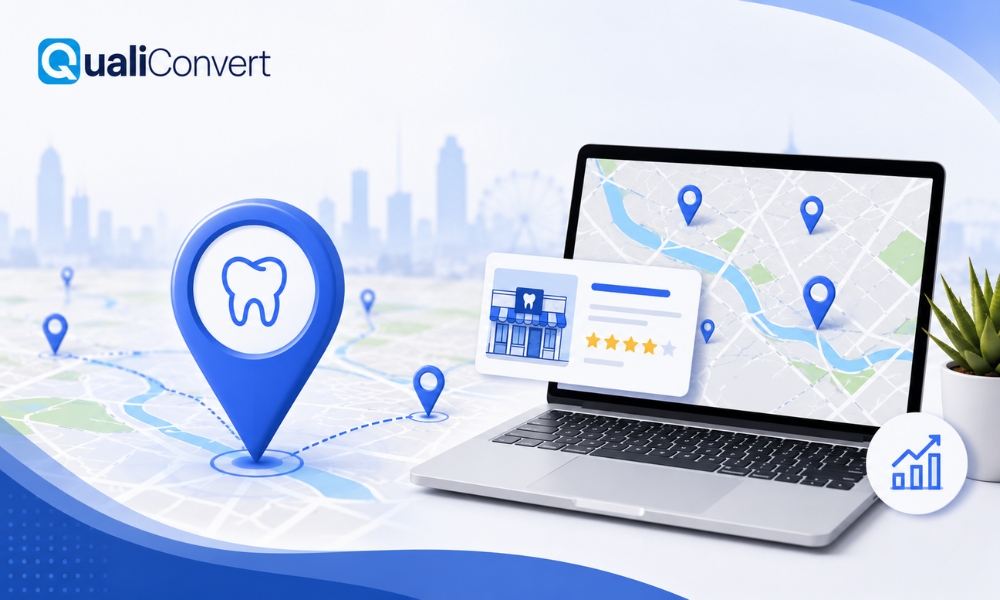
When someone searches for a dentist, they almost always mean a dentist near them. Showing up in those local results does a lot of the heavy lifting for new enquiries.
That means keeping your Google Business Profile properly optimised, your clinic details accurate everywhere they appear online, and a steady stream of genuine patient reviews coming in. Get this right and you’ll usually see more calls and booking requests without leaning on paid ads to prop things up.
2. Your website should convert, not just exist
Plenty of dental practices have a website. Very few have one that’s actually built to turn visitors into patients.
A site that earns its keep explains treatments in plain language, loads fast on a phone, and makes booking obvious rather than burying it three clicks deep. It shows real patient experiences too, not stock reassurance. If someone lands on your page and feels unsure, they’ll just back out and try the next clinic on the list. You’ve lost them, and you’ll never know it happened.
3. Content that educates builds trust over time
Patients tend to look for answers before they book. What a procedure involves, roughly what it costs, whether that niggle is worth worrying about. If your website answers those questions well, you become the practice they already trust by the time they pick up the phone.
Topics worth covering:
- What common treatments actually involve
- Cost and finance questions
- Everyday dental worries
- Preventive care advice
The nice part is that this compounds. One genuinely helpful article keeps turning up in search for months, sometimes years, long after you wrote it.
4. Reviews matter more than most practices realise
Reviews are now one of the biggest things swaying a patient’s choice. A steady run of honest, positive feedback builds credibility fast, takes the hesitation out of booking, and quietly nudges your local ranking up as well.
So ask happy patients to leave one, and make it easy for them. It’s about the cheapest growth lever you’ve got, and most clinics still don’t do it consistently.
5. Consistency matters more than one-time efforts
The most common mistake in dental marketing is treating it like a one-time job. Sort the website, run a burst of ads, then go quiet for six months.
Real growth comes from:
- Regular updates
- Ongoing content
- Continuous improvements
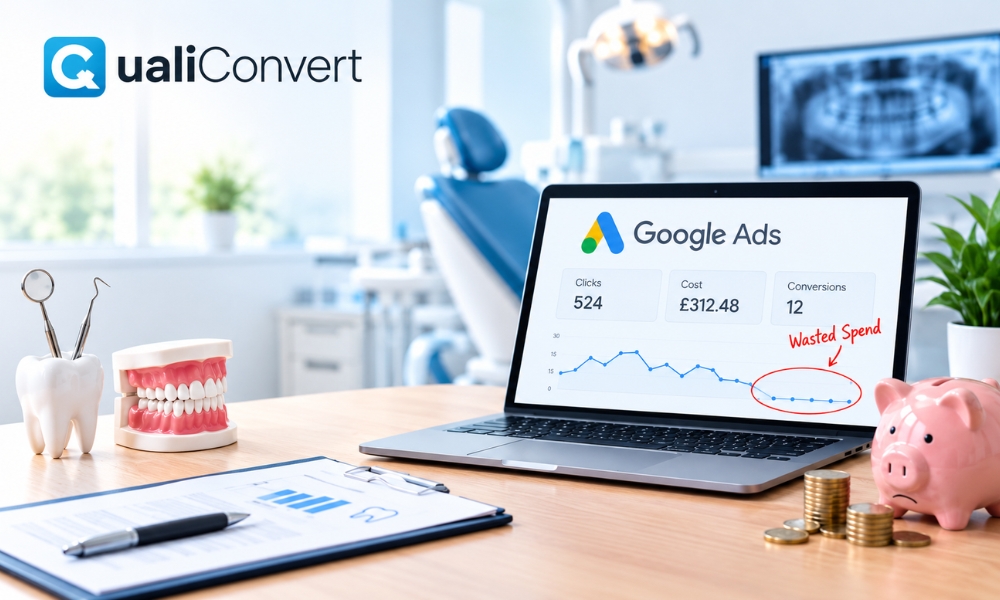
6. Paid ads work best on a solid foundation
Ads buy you quick visibility, no argument there. But without the right groundwork underneath, the results tend to dry up the moment you stop paying.
Before you put real money into ads, make sure the basics hold up:
- Your website turns visitors into enquiries
- Your local presence is optimized
- Your messaging is clear and specific
How to pick the right approach for your practice
There’s no single formula that fits every clinic. What works depends on where you are, how much competition you’re up against, the treatments you focus on, and what you’re actually trying to grow. A practice fighting for attention in a busy city centre needs to lean hard on local visibility and trust. One that specialises in something like implants or orthodontics might get more from educational content that answers the bigger, more expensive questions.
So don’t lift a generic plan off the internet and hope for the best. Build around your own strengths and your own market. When the strategy fits the practice, attracting the right patients gets a lot easier.
Final Thoughts
A good dental marketing agency in the UK won’t tell you to bet everything on one channel. Growth comes from doing a handful of things well and sticking with them: staying visible, earning trust, and turning up consistently.
The practices that treat marketing as a long game, rather than a quick fix, are the ones that keep growing.